The vocabulary
A language of six forms.
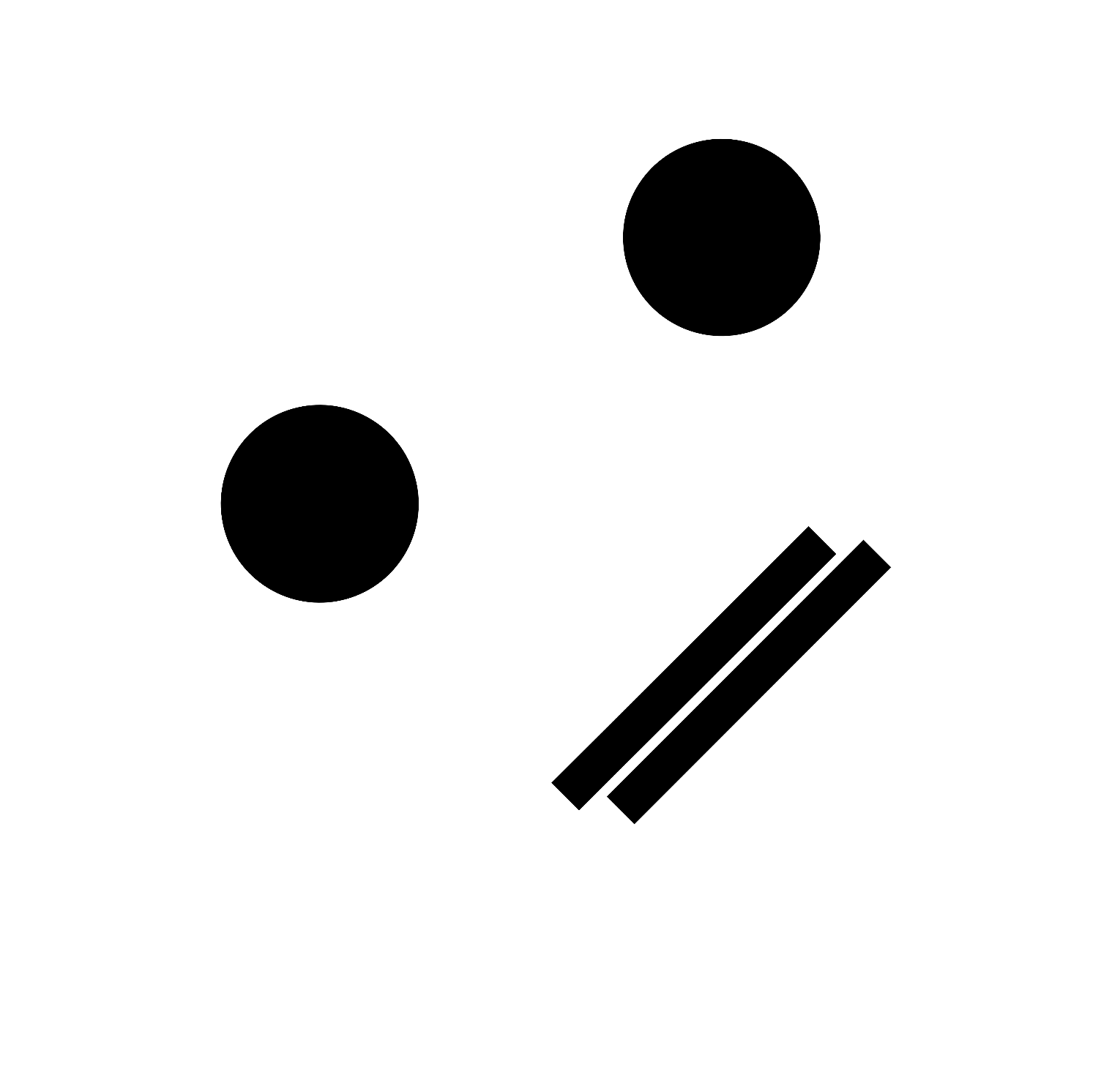
P:X is constructed from a fixed visual vocabulary: three circles and three bars. Across 384 works, the same elements are rearranged, recolored, and animated into unique compositions. The system does not grow by adding more ingredients, but by exploring the possibilities hidden within a few simple rules.
The motion
The animation is the art, not a wrapper around it
P:X is not a static image brought to life by motion. The motion is where the life exists.
Speed, Transition Interval, and Pulse Direction are not traits attached to the work • they are part of the work. A change in movement changes the experience. Two works may share the same colors and composition, yet become entirely different pieces simply because they breathe differently.
Every P:X piece is built from the same restraint: six shapes, a few rules, and endless variation.
When you click to pause, you are not stepping outside the artwork. You are creating a moment within it. The frame you capture is one that only existed because of that interaction, at that time, with that piece.
Each work occasionally resolves into the shared P:X glyph, but the path between those moments belongs to each individual piece.
The algorithm creates the possibilities. The viewer discovers the moment.
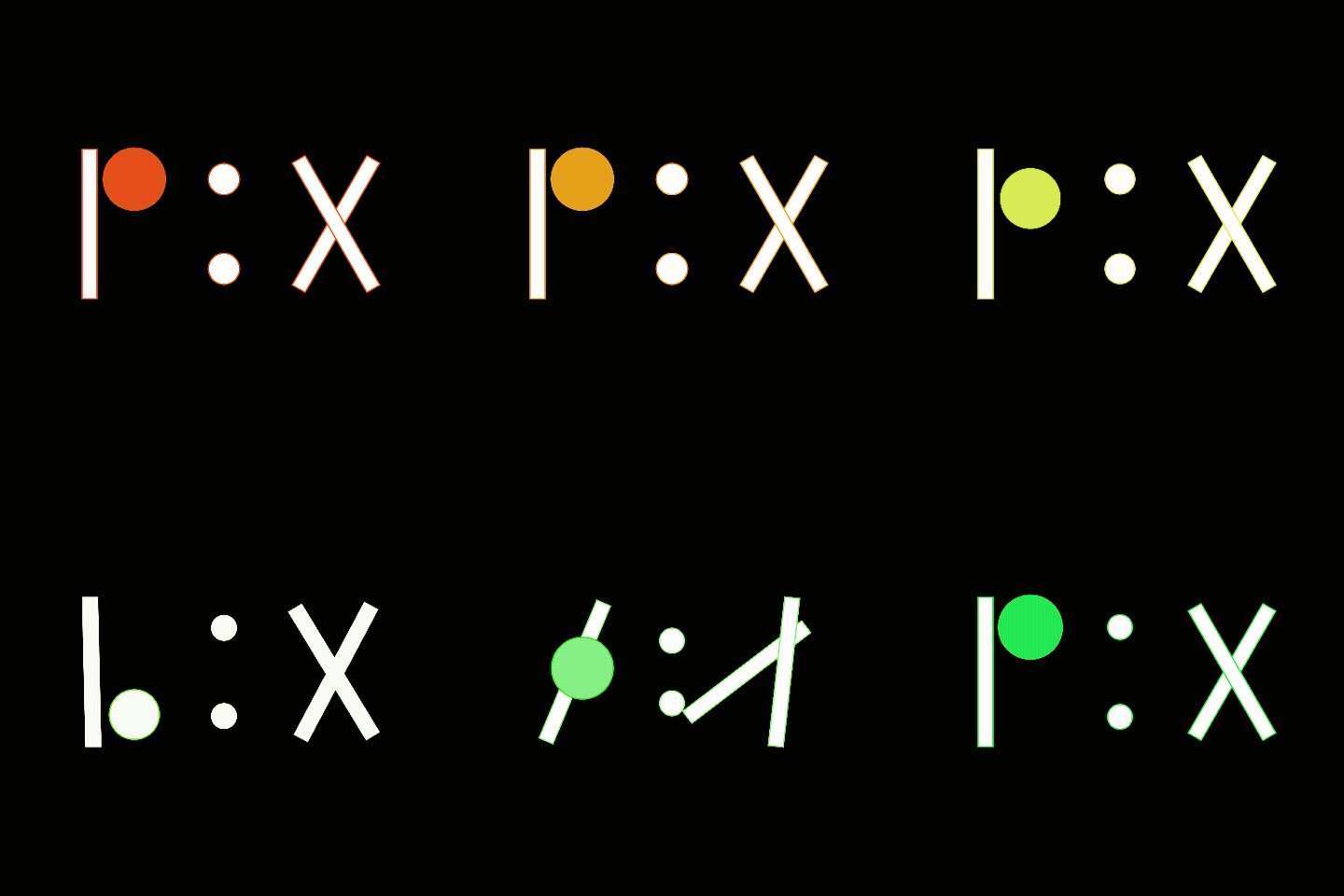
Illustrative, not to scale. Each work's actual Speed and Transition Interval values live in the algorithm. See the Guided Tour for the trait's observed range.
What do you see?
Three circles. Three bars. Infinite possibilities.
P:X is a generative exploration of perception through constraint. Every one of the 384 pieces begins with the same six geometric forms and a shared set of rules. Color, motion, and composition are determined by the algorithm, creating works that are structurally related yet visually distinct. Nothing changes except the relationships between the forms • and often, that's enough for every viewer to see something entirely different.
The numerology
Why 384
P is the 16th letter of the alphabet. X is the 24th. 16 × 24 = 384, and that's exactly how many works exist, numbered #0 through #383. The same number is baked into the palette itself. Verified against the deployed algorithm: exactly 5 of its 10 named colors are built so their own red, green, and blue channels add up to precisely 384. See the Guided Tour for the worked-out math, color by color.
P (16) × X (24) = 384
The making of
From prototypes to the algorithm
The first P:X experiments were not generated • they were animated manually. Created in early 2021, these sixteen frame-by-frame studies established the core vocabulary of circles, bars, and motion that would later be translated into code.
The number sixteen carried forward into the final collection: sixteen of the 384 algorithmic works were designated as Type: Curated, mirroring the number of original prototypes.
These early works remained unreleased for years and will eventually be minted as a historical record of P:X's evolution from hand-built studies into an on-chain generative system.
When P:X crossed from hand-built animation into code, not everything made the journey. The static texture was too demanding for the generative system and was removed.
What survived was the foundation: the same circles, the same bars, and the relationships between them. These studies capture the moment where a visual idea became a language ready to be translated into an algorithm.
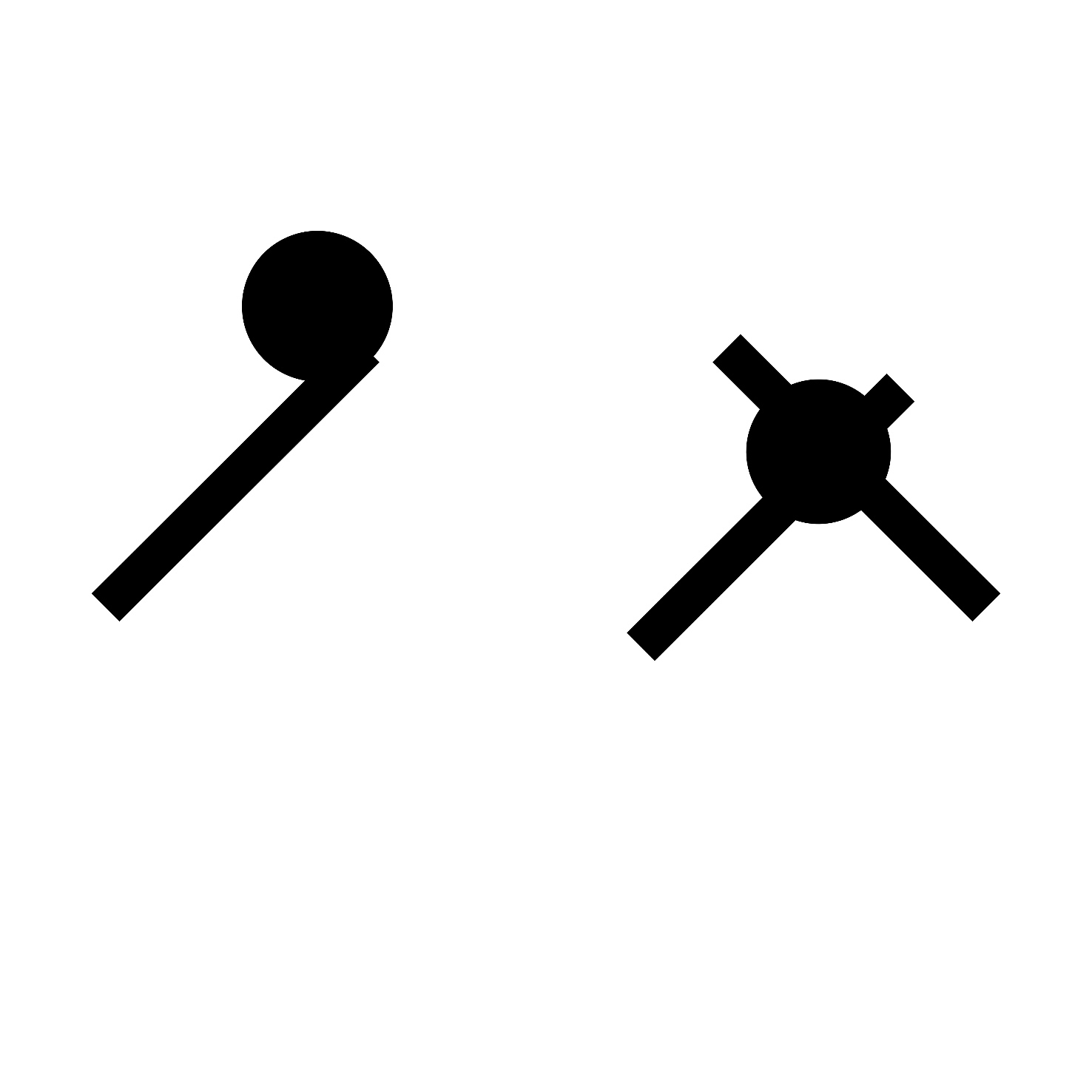
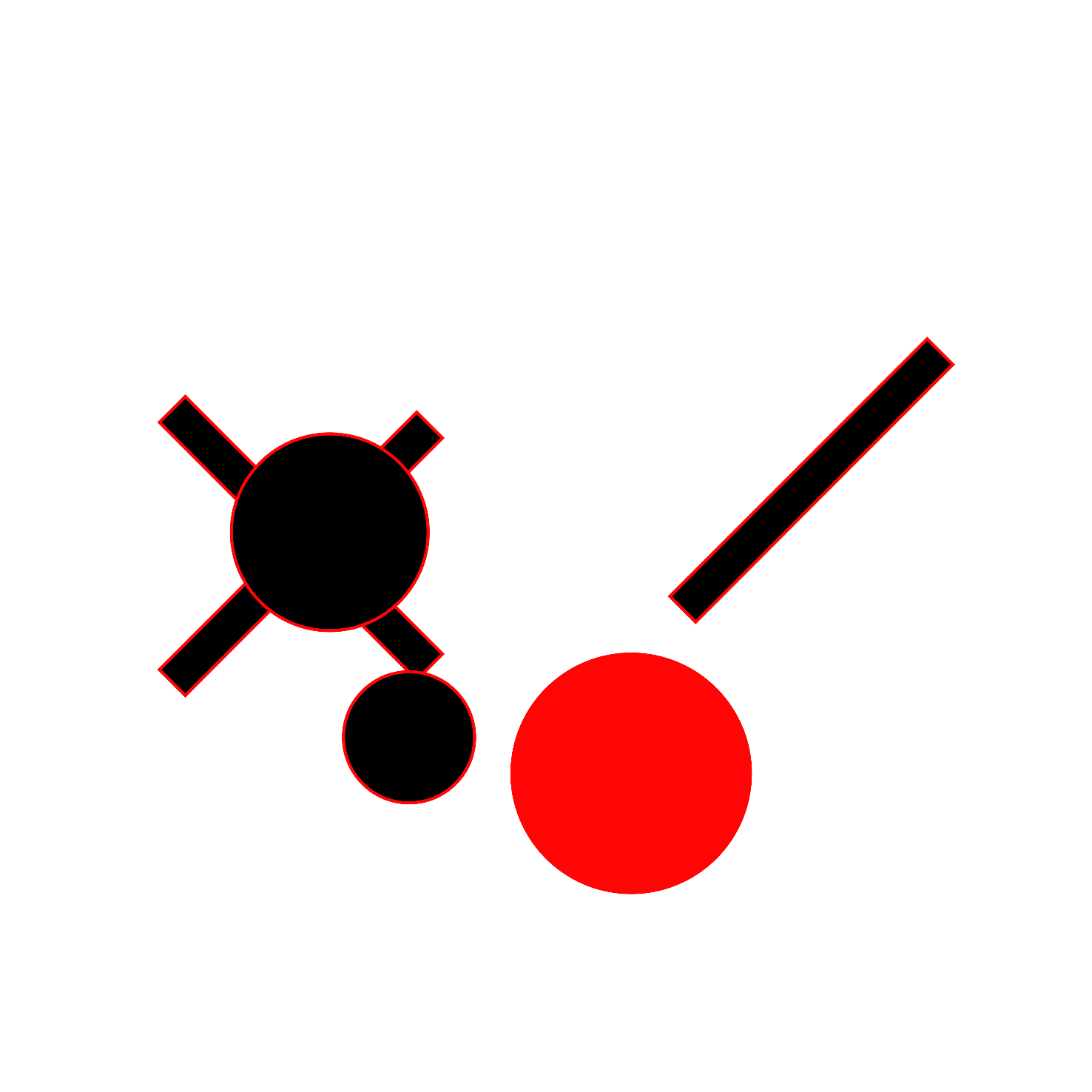
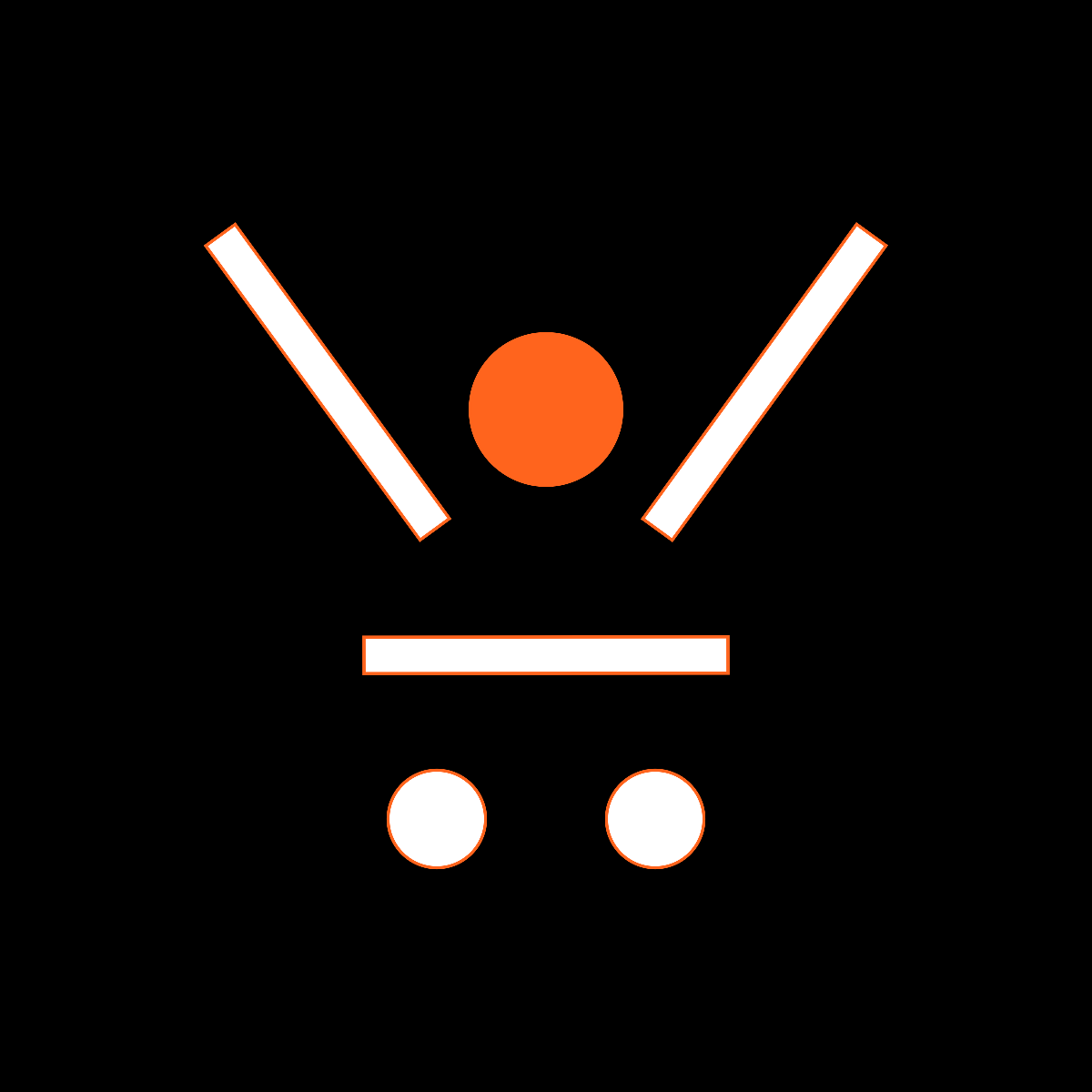
The next step was turning those studies into a system. In December, P:X was released on Art Blocks Factory as 384 generative pieces, each existing as a living p5.js sketch that moves until the viewer decides where to stop it.
Created by mightymoose in collaboration with DaimAlYad, P:X transformed a simple vocabulary of shapes into a collection of endlessly unfolding moments.
What remains
P:X begins with six shapes.
Three circles.
Three bars.
Everything else emerges from the relationships between them:
color,
movement,
timing,
and perception.
The algorithm creates the possibilities.
The viewer discovers the moment.